No, "PWR!" isn’t a new superhero comic, though it is a superpower for people living with Parkinson’s. PWR! Moves is a science-based physical therapy program that helps retrain your brain and body to move with more strength, confidence, and control.
Developed by Dr. Becky Farley (yep, the same brain behind LSVT BIG), PWR! Moves takes four foundational movements and adapts them into fun, functional exercises that target Parkinson’s symptoms head-on.
Let’s break it down. Cape not required.
The Core 4 PWR! Moves
Each of these movements is designed to fight stiffness, slowness, and poor posture, the usual suspects in Parkinson’s disease.
1. PWR! UP
- Think of this as your “power posture”
- Trains you to stand tall and improve spinal alignment
2. PWR! ROCK
- Teaches weight shifting and rotational movement
- Great for improving balance and preventing falls
3. PWR! TWIST
- Encourages trunk rotation to help with turning and agility
4. PWR! STEP
- Builds confidence in large, intentional stepping movements
- Helps reduce shuffling and freezing
Each move can be done sitting, standing, or on the floor, making it super adaptable.
Why PWR! Moves Work for Parkinson’s
These moves aren’t just random exercises. They’re based on the principles of neuroplasticity, your brain’s ability to form new connections and pathways. Translation: you can retrain your brain to move better.
By practicing these moves consistently, you build:
- Better balance
- Faster reaction times
- Stronger muscles
- Improved posture
- More fluid movement
And because they mimic real-life motions, the benefits carry over into everyday tasks, like getting out of a chair or turning in the kitchen.
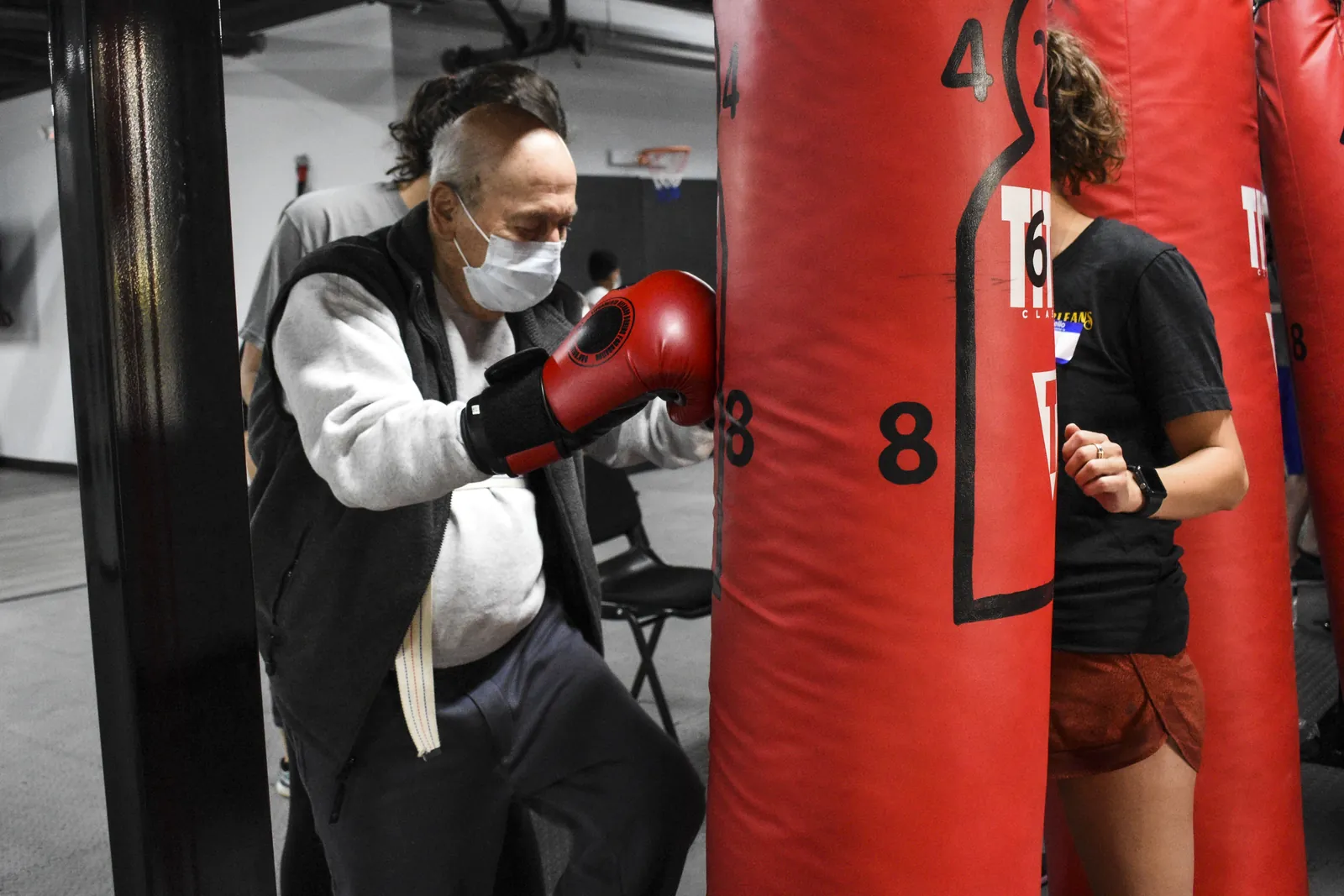
What a Class Looks Like
PWR! classes typically include:
- A warm-up to prep your joints
- Guided practice of the four moves
- Functional activities like sit-to-stands or reaching
- Cool-down and breath work
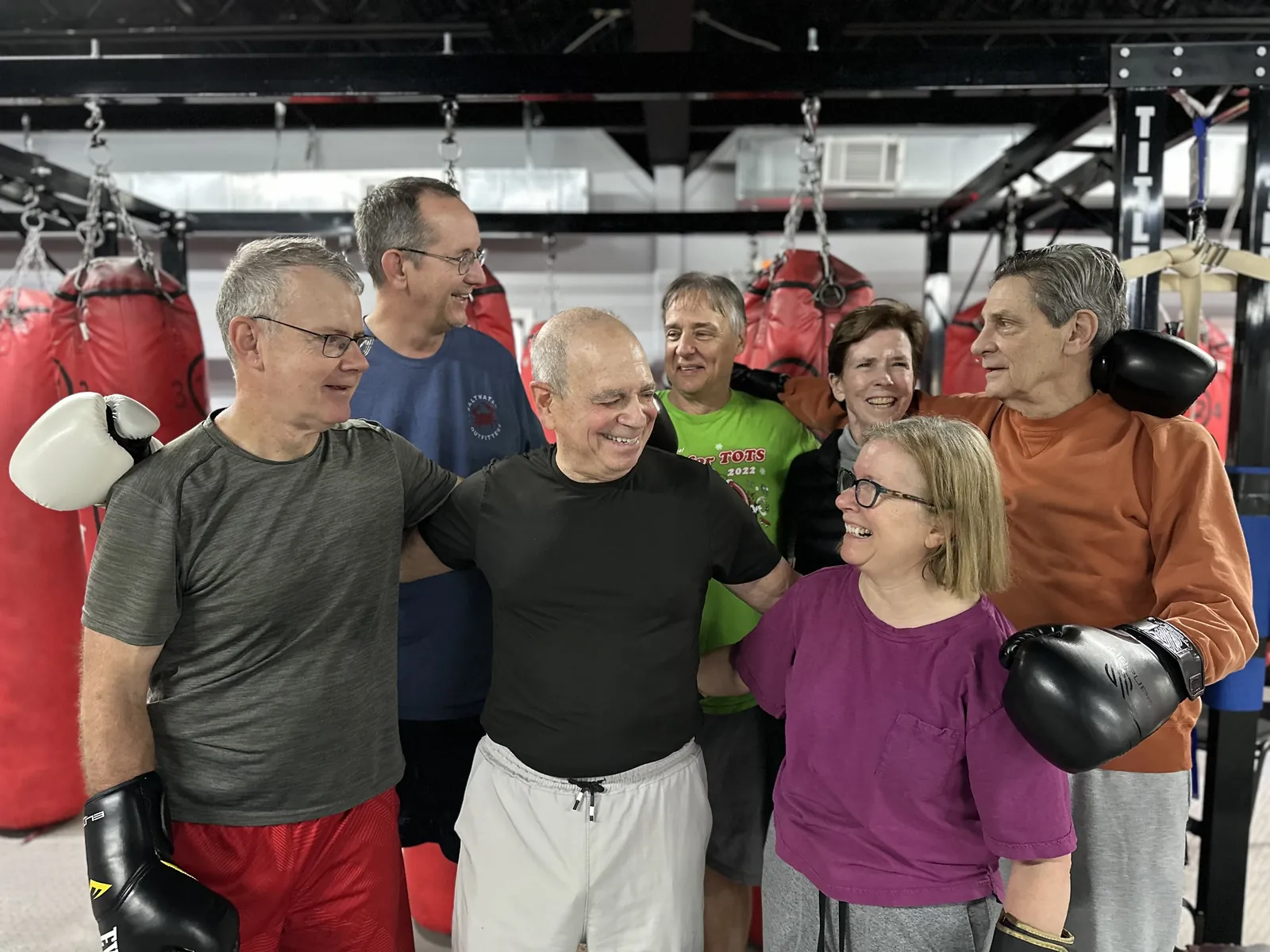
Expect upbeat music, plenty of support, and probably a few laughs too.
Can You Do PWR! Moves at Home?
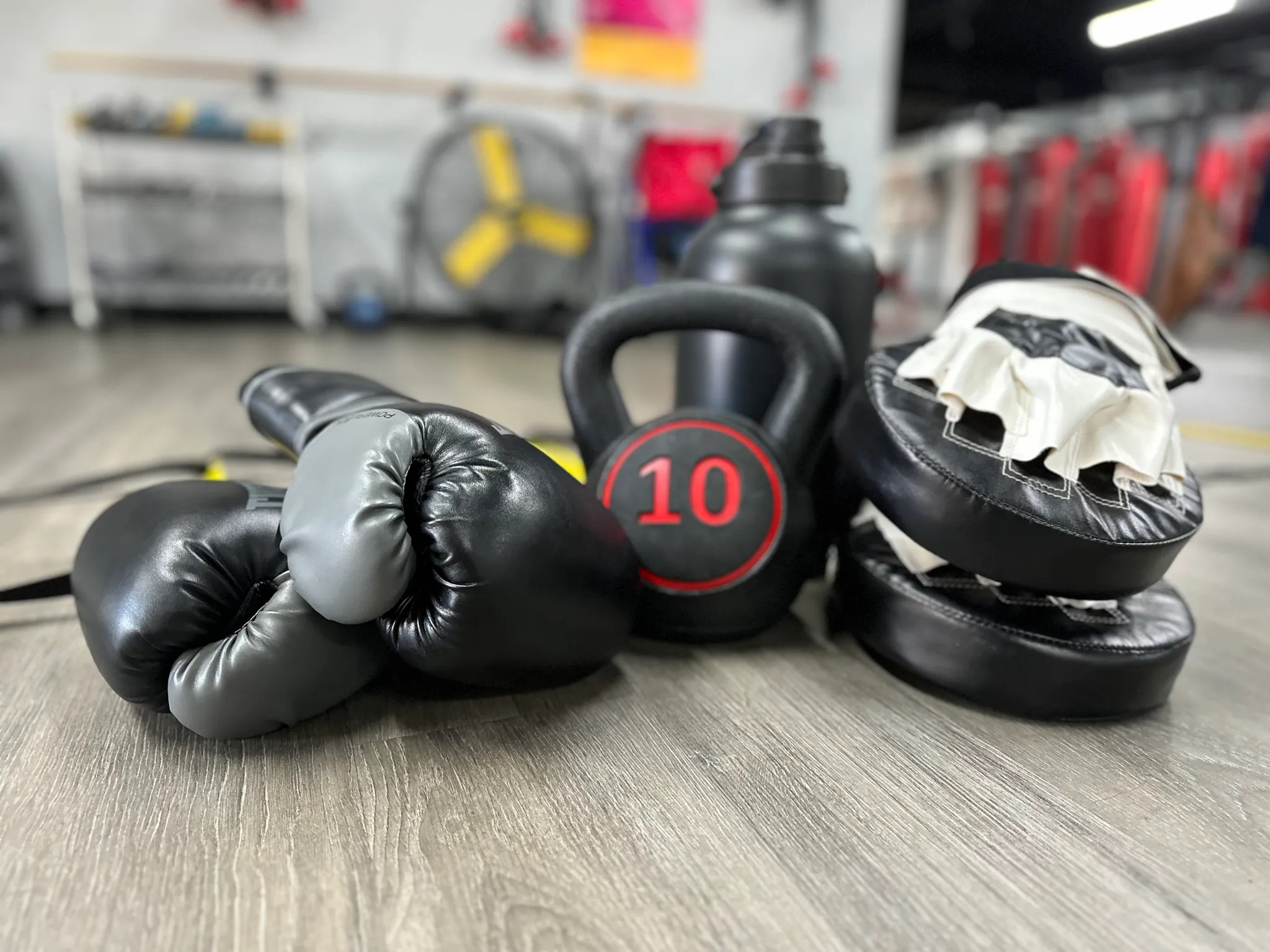
Absolutely. Many exercises need only a little space and equipment.
Some people use a yoga mat, light weights, or a sturdy chair for balance. Others follow along with online programs or live virtual classes.
Who Teaches PWR!?
Certified PWR! instructors are trained to work specifically with Parkinson’s patients. They understand your needs and know how to tailor movements to your current mobility level.
Want to find one? Search for a "PWR! Moves certified therapist" near you, or check out virtual options if local classes aren’t available.
Final Thoughts
If Parkinson’s makes your world feel smaller and slower, PWR! Moves is all about expanding it again, with purpose, power, and play.
It’s not just exercise. It’s movement therapy that helps you reclaim your confidence, one step, twist, and rock at a time.
So, ready to power up? Let’s do this.